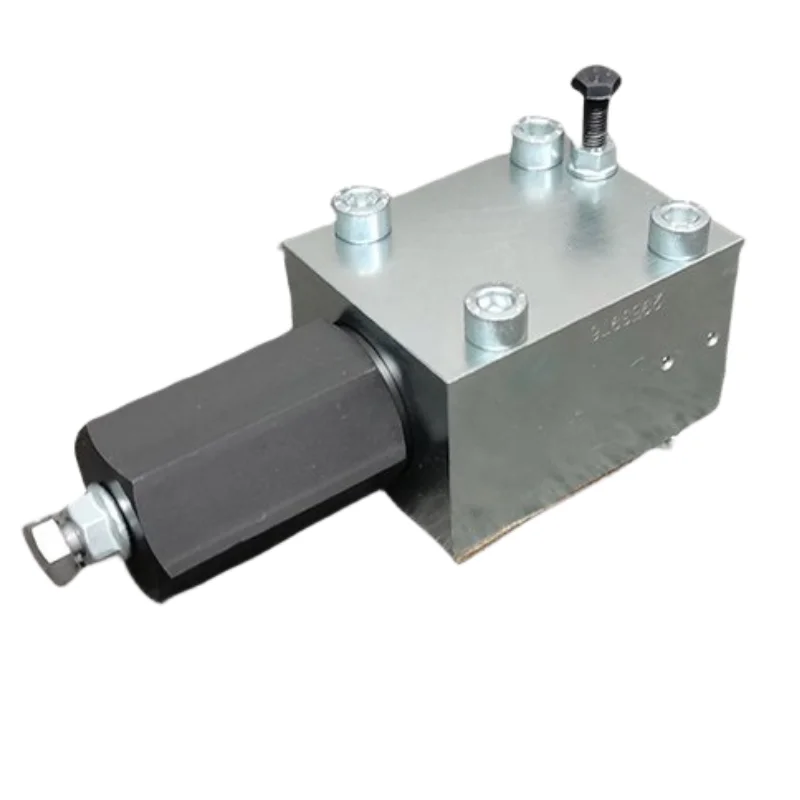
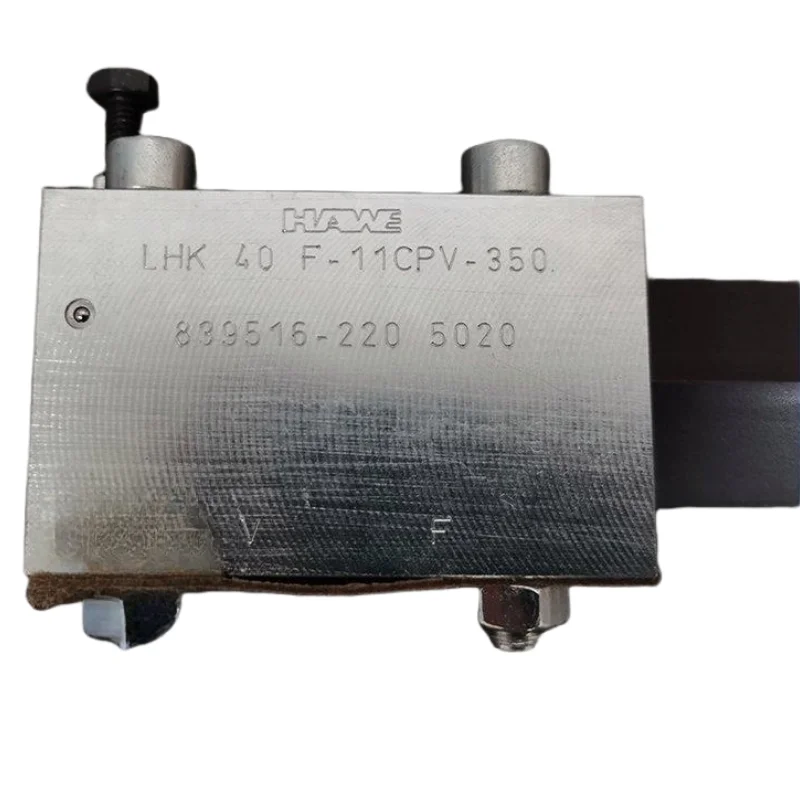
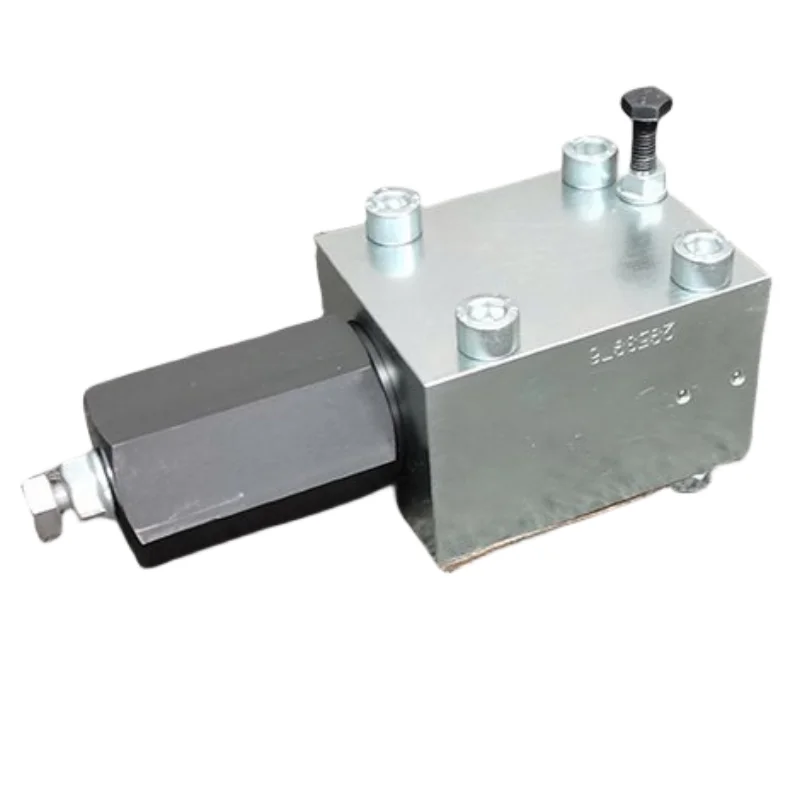
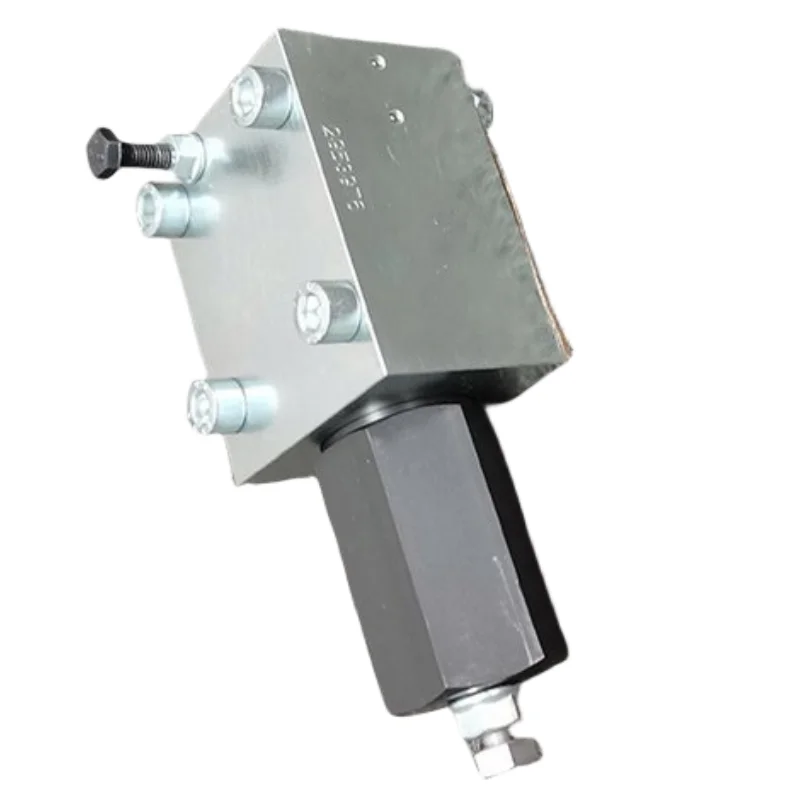
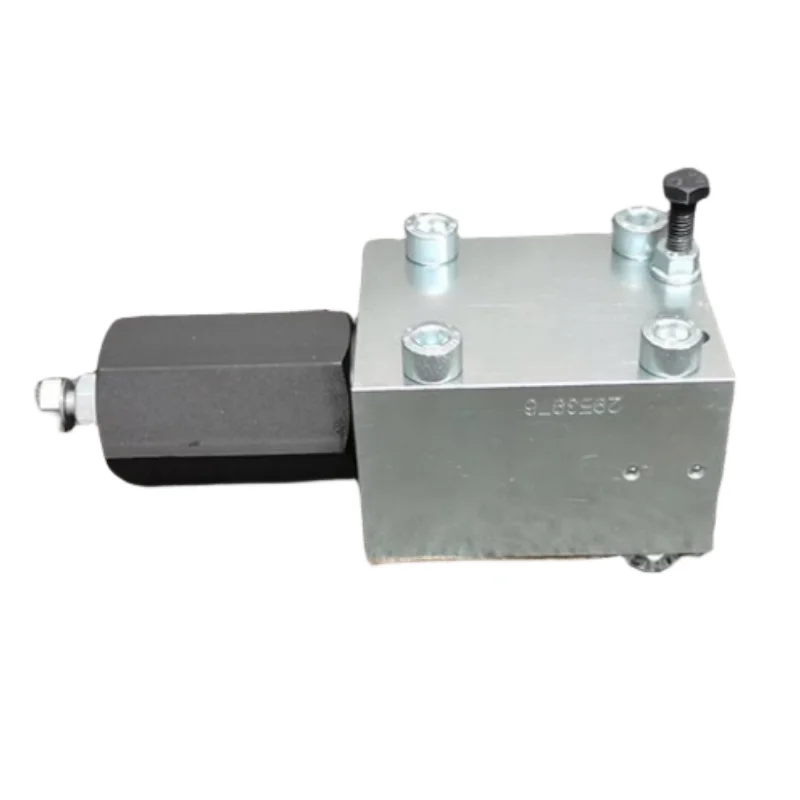
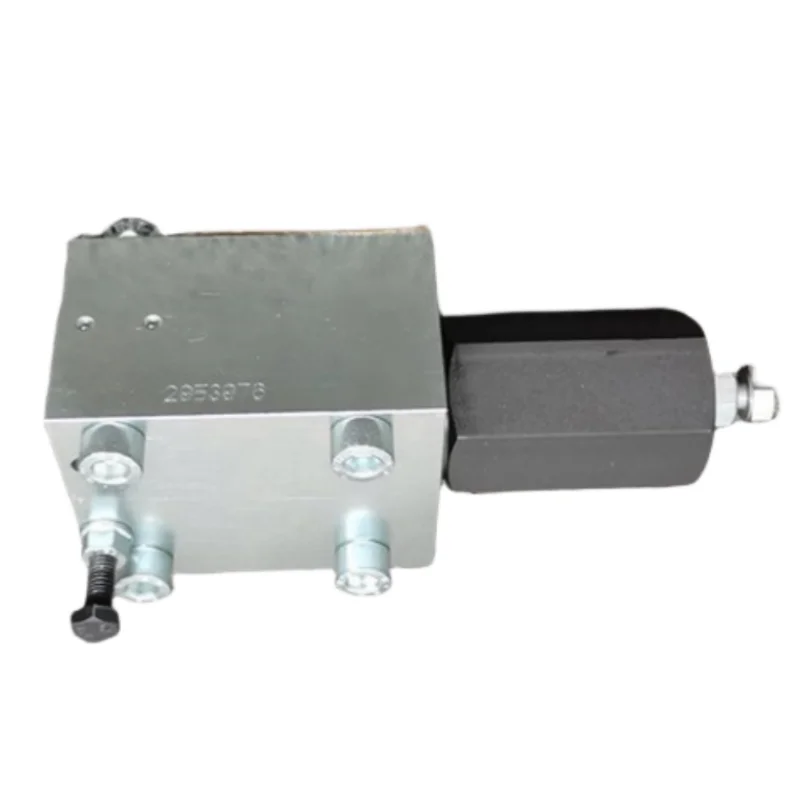
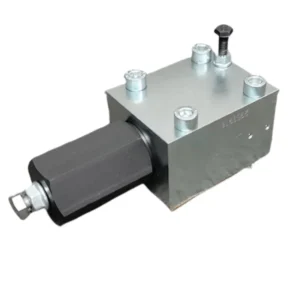
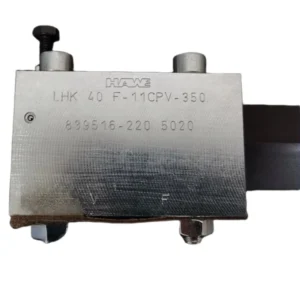
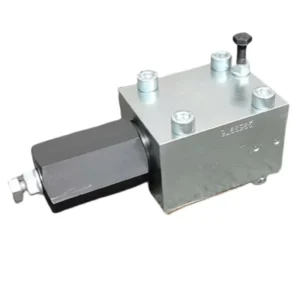
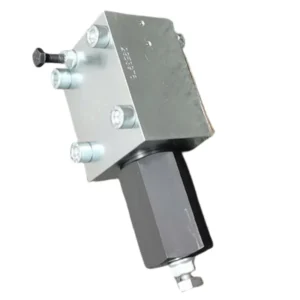
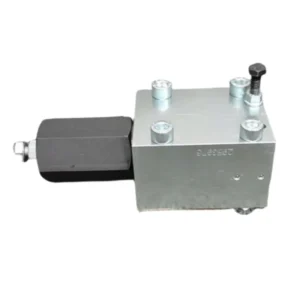
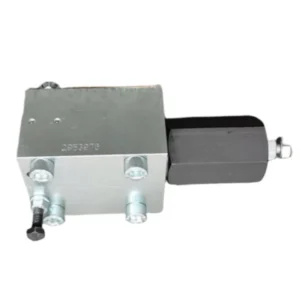
The HAWE LHK Series high-pressure counterbalance valves (commonly designated as load-holding valves) manufactured by Chengyuan Hydraulic are premium steel-body fluid regulation safety components fully engineered to match global HAWE industrial and mobile machinery footprints. Customized to act as an unyielding protection barrier for heavy-lifting cylinders and hydraulic motors, this series guarantees absolute zero-drift holding, velocity limitation under overrunning loads, and immediate hose-burst mechanical lockouts. The targeted engineering portfolio comprehensively addresses central user-defined catalog configurations: including the standard size 3 platform LHK33 G-11-120 (integrating a single-direction inlet check and external pilot line) alongside the high-flow size 4 multi-functional asset LHK 44 G-21-200/200 (featuring built-in dual-stage bi-directional shock and anti-cavitation overload valves calibrated explicitly at 200 bar). Utilizing all-steel case-hardened monolithic blocks instead of generic cast iron, these valves handle structural extreme load pressures up to 400 bar. Every single LHK valve undergoes 100% simulated load testing for vertical load-holding under peak ratings, dynamic pilot crack-pressure sensitivity, and severe continuous flow shifting shocks prior to shipment to match official performance metrics, delivering proven 100% original-place interchangeable compatibility.
Technical Specifications
Core Product Framework: HAWE LHK Series Template High-Pressure Steel-Body Load-Holding Counterbalance Valves
Model Configurations Supported: LHK33 G-11-120 / LHK 33 G-11-120 / LHK 44 G-21-200/200
Nominal Flow Size Classifications:
Size LHK 3 Platform: Handles nominal volumetric fluid delivery up to 60 L/min (15 gpm)
Size LHK 4 Platform: Handles high-volume nominal fluid delivery up to 100 L/min (26 gpm)
Maximum System Operating Pressure MAWP: Rated strictly up to 400 bar (40 MPa / 5800 psi) continuous
Overload Safety Shock Adjustment Calibration (e.g., Code 120 vs. 200/200):
Code 120 Tier: Integrated counterbalance load safety valve cracking point set at 120 bar
Code 200/200 Tier: Dual independent cross-over shock relief cartridges, both calibrated precisely to crack at 200 bar
Fluid Port Interface Layout (Code G): Standard inline pipe-mounting G-type (BSP) internal parallel pipe threads (e.g., G 3/8 or G 1/2) for direct plumbing to high-pressure hard lines or flexible hoses.
Engineered Pilot Ratio Format: Mathematically matched progressive pilot ratio providing optimized stability under severe load shifts.
Static Seat Leakage Constraint (Metal-to-Metal): Main poppet holds a leakage rating of $\le 0.05 \text{ cc/min}$ under full load, achieving absolute drop-tight performance.
Key Technical Advantages:
Monoblock Monoblock All-Steel Housing with High-Tensile Structural Integrity: Unlike standard commercial valves built around aluminum or ductile iron castings, the LHK series incorporates HAWE’s classic all-steel layout. Multi-axis CNC centers mill the valve block out of raw premium alloy steel, followed by deep case-hardening. This design handles continuous 400 bar peaks and resists fatigue micro-cracking caused by extreme high-frequency pressure shocks.
Hydraulically Buffered Pilot Piston with Anti-Chatter Technology: The internal pilot control lines feature a built-in fluid dashpot orifice assembly. When an external pilot override signal is introduced, the dampening layout slows the pilot piston’s stroke to open the main poppet gradually. This smooth transition suppresses the high-frequency chattering or “hunting phenomenon” typical of rapid load drops, ensuring steady actuator control during boom handling.
Micro-Lapped Hardened Seating Poppets for Drop-Tight Load Locking: The primary internal shuttling poppets are forged from high-carbon bearing steel (hardened to HRC 60-62), and the matching seating boundaries undergo sub-micron mirror lapping. This configuration forms an ultra-tight metal-to-metal barrier that completely isolates fluid ports during standby, eliminating creeping or cylinder drift under heavy static loads.
Three-in-One Compact Multi-Functional Integration: The LHK 44 G-21-200/200 combines a free-flow bypass check valve, a progressive counterbalance flow throttling spool, and dual bi-directional cross-over shock relief valves (200 bar) inside a single steel frame. This direct integration eliminates messy line plumbing at the cylinder port, simplifies maintenance, and maximizes defense against unexpected hose failure or shock overloads.
Application Areas:
Aerial Access Platforms & Firefighting Ladder Trucks: Main velocity-limiting and hose-break safety lockouts for telescopic boom cylinders and outrigger stabilizing jacks.
Mobile Truck-Mounted Cranes & Hoisting Winch Drives: Load-holding blocks for hydraulic lifting winches and articulating crane booms to prevent gravity-induced runaway.
Heavy Excavator Attachments & Material Handling Grapples: Long-term drift prevention and cross-over overload shock damping for scrap shears, sorting grabs, and sorting clamps.
Expert Maintenance Tips:
Enforce the 1.3× Load-Induced Pressure Calibration Rule: When configuring pressure adjustments on-site for LHK33 or LHK44 blocks, the crack point of the internal overload relief component (e.g., the 120 bar or 200 bar tier) must be dialed to at least 1.3 times the maximum load-induced pressure. Setting this limit too close to the standby weight pressure will cause the poppet to weep, resulting in uncommanded cylinder drifting or winch slippage.
Adhere to Specified Thread Torque Limits and Avoid Air Impact Wrenches: Although the inline G-threaded porting block is all-steel, you must use a calibrated manual torque wrench along with proper bonded seals—never use a high-powered pneumatic impact gun to slam adaptors home. Over-torquing can distort the internal bore clearances, causing the lightweight pilot piston or internal dampening sleeves to bind and leading to valve failure.
Keep Return Lines Free of Backpressure to Prevent Pilot Drift: The pilot cracking performance of LHK counterbalance blocks depends heavily on clean venting through the return tract (Port T). Ensure the main return lines remain completely unobstructed and never plumb them inline with high-pulsation return lines or clogged filters. Excessive backpressure will counteract the pilot input force, causing pilot crack points to drift and resulting in jerky, stuttering movements during descent.