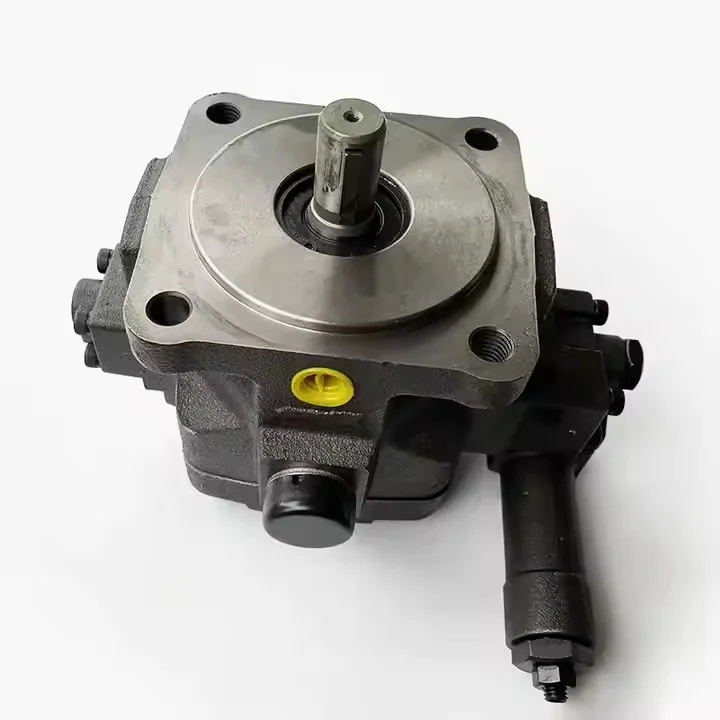
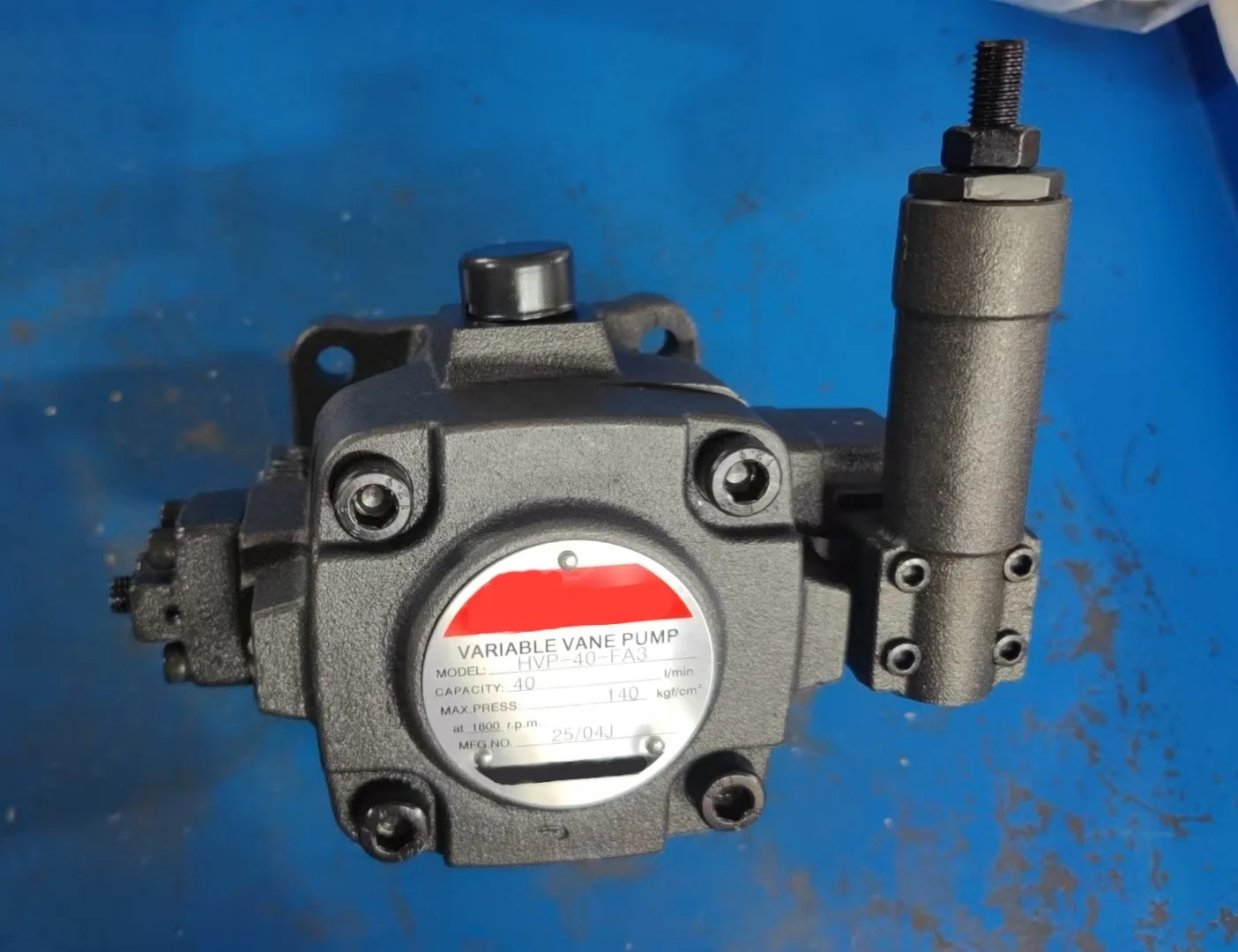
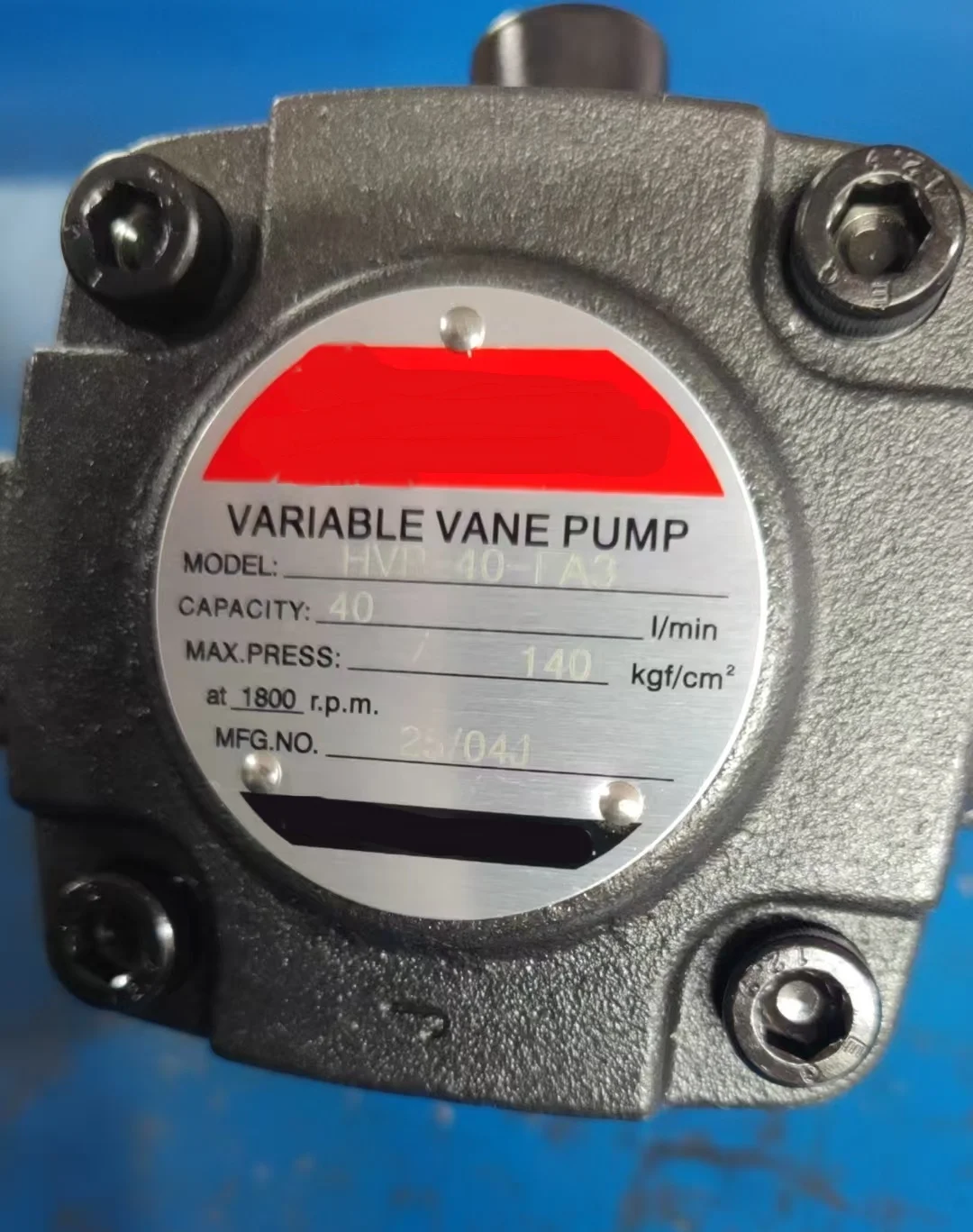
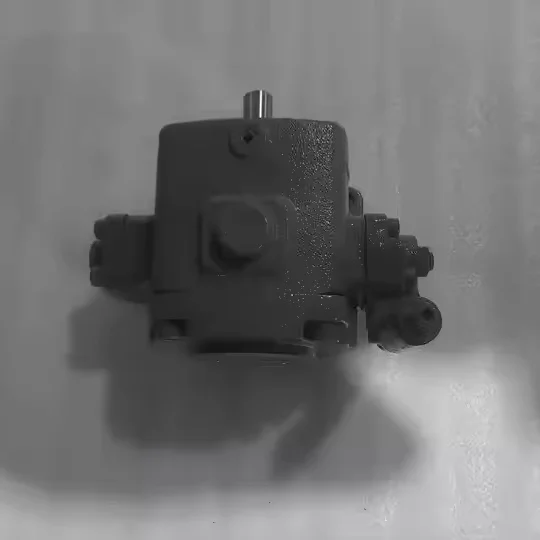
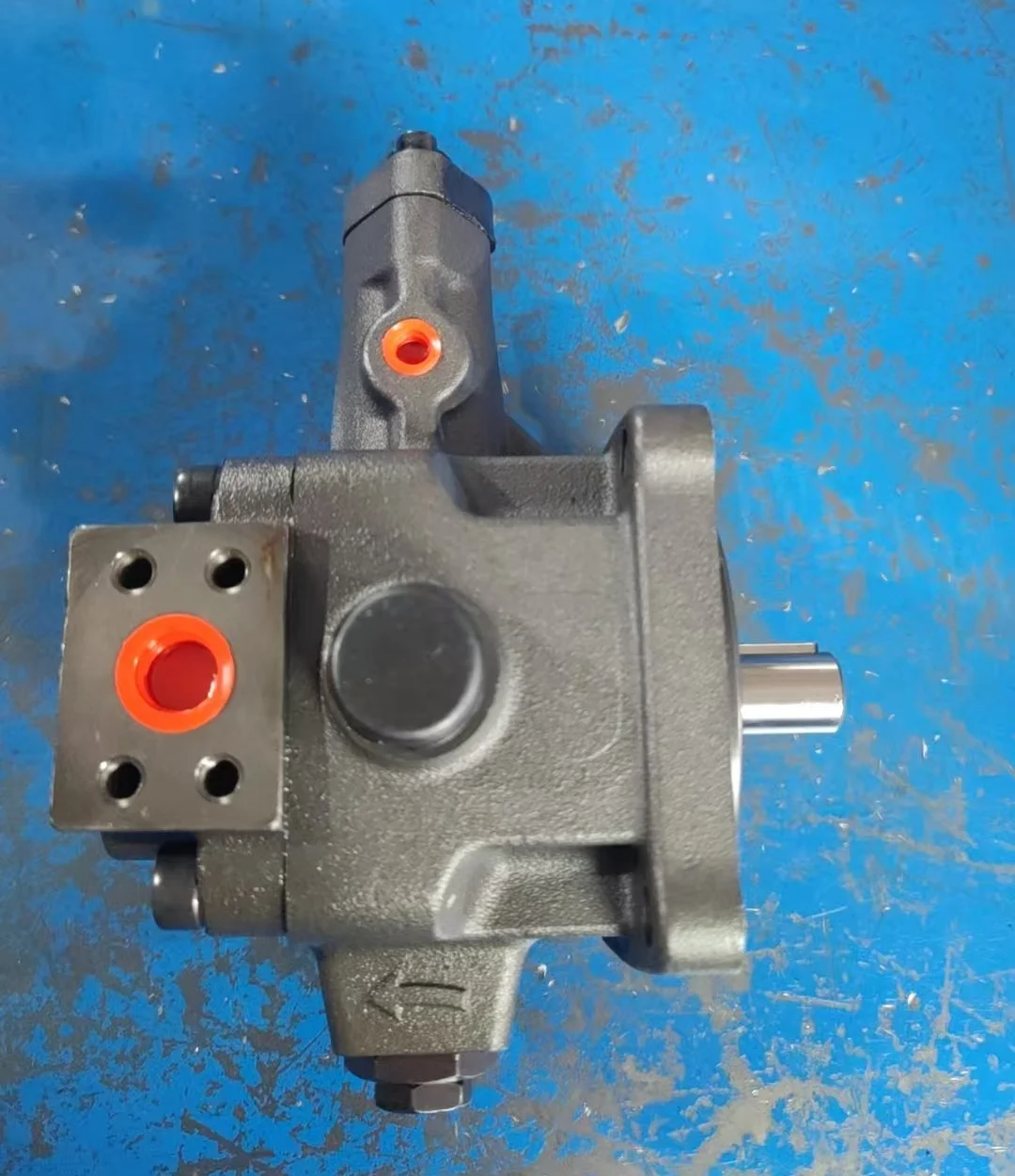
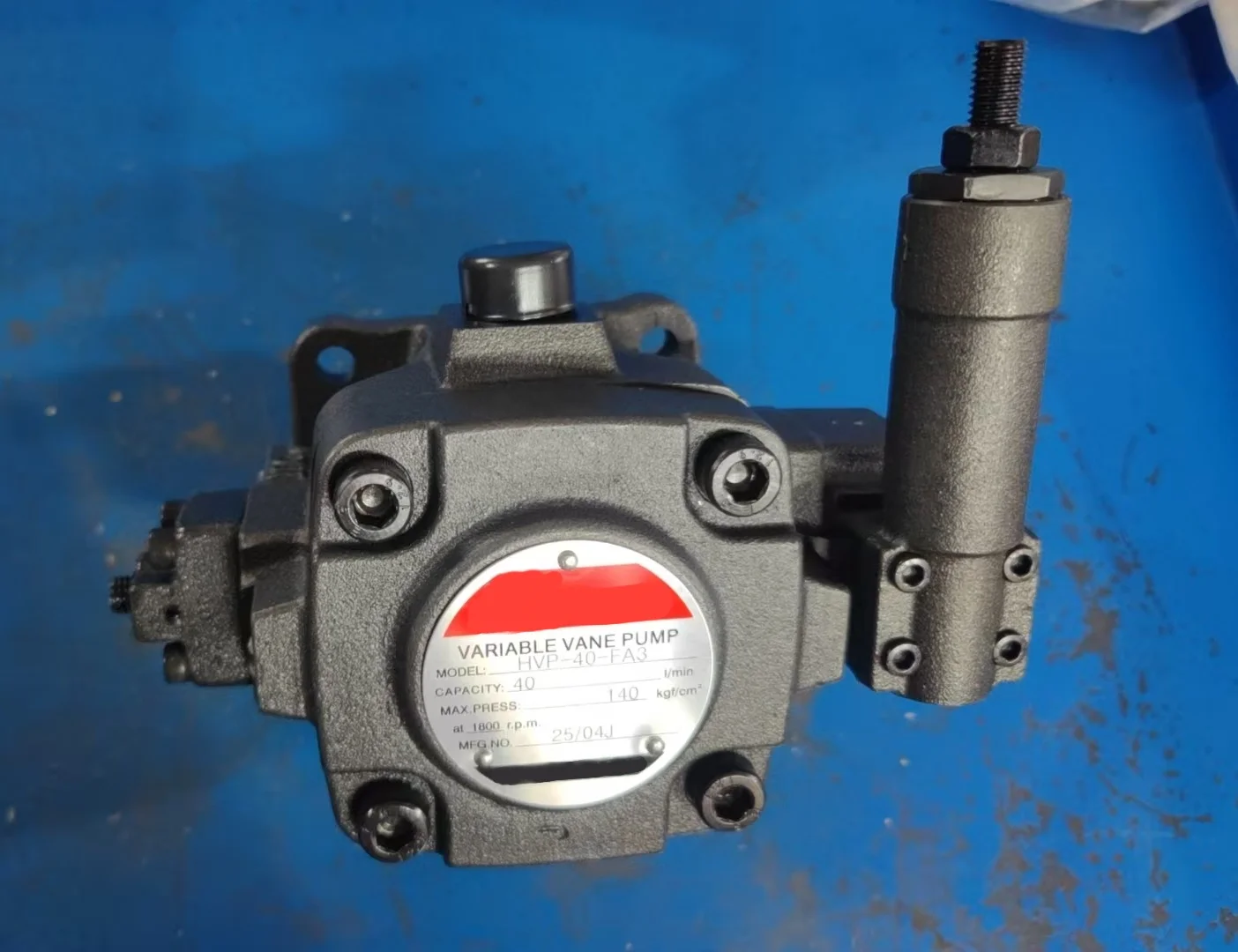
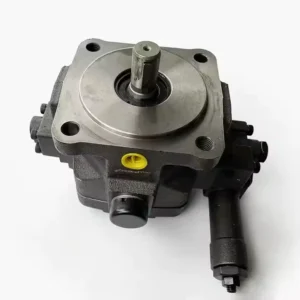
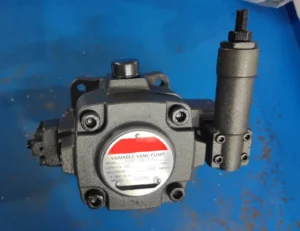
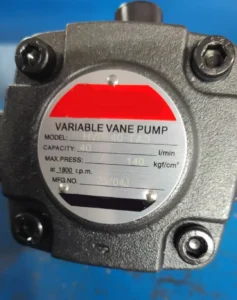
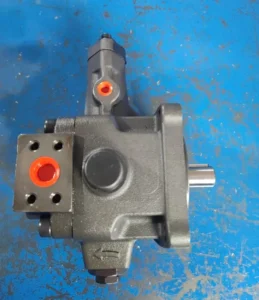
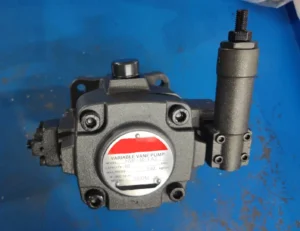
The HVP / VP Series of pressure-compensated variable displacement vane pumps manufactured by Chengyuan Hydraulic are precision engineered fluid power components built to cross-reference global and regional machine tool hydraulic standards. This series is purposefully designed for modern automated industrial applications where “pressure holding under dead-head conditions, on-demand flow control, minimized heat generation, and whisper-quiet operation” are vital metrics. Focusing on the technical model clusters and pressure configurations supplied—HVP-30FA3, HVP-40-FA3, FA4, FA2, VP3-30, and VP3-40-140 (covering 30L/min and 40L/min nominal flow rates alongside 20 bar to 140 bar adjustable restriction thresholds)—Chengyuan guarantees 100% original-place interchangeable plug-and-play compatibility. Every individual variable pump undergoes 100% simulated load pressure-holding validation, critical shift displacement responsiveness mapping, and casing internal leakage testing prior to shipping, securing maximum volumetric efficiency and thermal stability for heavy-duty industrial automation.
Technical Specifications:
Brand Compatibility: Universal HVP / CML / YUKEN Variable Displacement Matrix
Core Product Series Matrix: HVP / VP / VP3 Series (Single Variable Vane Pump Profile)
Target Designations: HVP-30FA3, HVP-40-FA3, HVP-40-FA2, HVP-40-FA4, VP3-30, VP3-40-140
Nominal Delivery Ratings (@ 1800 rpm):
30 Size Class (e.g., HVP-30FA3): ~30 L/min (Geometric displacement: 16.6 $cm^3/rev$)
40 Size Class (e.g., HVP-40-FA3): ~40 L/min (Geometric displacement: 22.2 $cm^3/rev$)
Pressure Compensation Adjustment Ranges (FA Suffix Parameters):
FA1 Configuration: 8 bar to 25 bar
FA2 Configuration: 15 bar to 35 bar
FA3 Configuration (e.g., HVP-40-FA3): 30 bar to 70 bar (Standard mid-pressure industrial automation range)
FA4 Configuration: 50 bar to 140 bar (High-pressure限压 option / 140 bar limit)
Maximum Continuous Rotational Speed: 1800 rpm
Minimum Operational Speed Threshold: 800 rpm
Fluid Port Thread Interfaces: Standard internal RC threads or standard SAE flanged combo ports (1/2″, 3/4″, or 1″ depending on frame size)
Case Drain Port Profile: Mandatory independent leakage port (Standard RC 3/8″ or RC 1/4″ internal thread)
Key Technical Advantages:
Dynamic Pressure-Compensated Flow Regulation: Features an internal high-stiffness regulation spring that balanced against a variable biasing piston. Once the hydraulic actuator completes its movement and hits a dead stop, system pressure spikes to the spring’s pre-set value. The internal cam ring dynamically shifts towards the concentric center, dropping flow output to near-zero. This cuts out energy-wasting fluid dumping, delivering over 40% energy savings compared to fixed-displacement pump setups.
Vacuum-Hardened Precision Dual-Arc Cam Ring: The inner variable sliding track of the cam ring is sculpted from high-purity alloy bearing steel, subjected to deep vacuum oil-quenching and sub-micron grinding to reach a surface hardness above HRC 62. This profiling guides the sliding vanes smoothly, flattening contact stress and eliminating localized scuffing or cam ring scoring during rapid high-pressure transitions.
Hydrostatic Axial Clearance Side-Plate Balancing: The internal thrust side-plates integrate micro-machined pressurization chambers that utilize output fluid pressure to bias the plates against the rotor and cam surfaces. This fluid film cushion, maintained within a strict $\pm 2$ micron flatness tolerance, stops axial fluid leakage across 70 bar to 140 bar boundaries, keeping volumetric efficiency above 90%.
Super-Silent Acoustic Cast Iron Enclosure: The outer housing is molded from high-impact structural ductile iron with expanded intake galleries optimized via CFD to reduce suction flow resistance. Even running at its 1800 rpm velocity threshold, the pump’s acoustic footprint is kept below 62 dB(A), suppressing the high-pitched piercing whine common in mid-to-high pressure loops.
Application Areas:
CNC Machine Tools & Metalworking Equipment: High-speed automatic tool changer (ATC) loops, hydraulic lathe chuck clamping stations, and precision grinding machine table reversals.
Shoemaking & Leather Processing Machinery: High-low pressure dual-stage power units for automated die-cutting machines and sole-molding presses.
Light Industrial Automation & Assembly Lines: Fixed-pressure holding control circuits and continuous ejector/picker mechanism power blocks.
Expert Maintenance Tips:
Run a Dedicated, Unrestricted Case Drain Line Directly Below the Fluid Level: Lubrication for the internal rotor, vanes, and shaft bearings depends entirely on the flow of internal leakage within the housing. The independent case drain port at the top of the pump housing must be piped directly back to the reservoir via a low-pressure hose. Never merge this line with the main return line or add a check valve. If case backpressure exceeds 1.5 bar, it will blow out the shaft seal or cause uneven loading across the internal side plates, leading to premature pump failure.
Pre-Lubricate the Pump Case and Back Off Pressure Controls Prior to Startup: Newly installed or serviced pumps face catastrophic dry-run friction damage if started dry. Before turning the electric motor, pre-fill the pump housing with clean hydraulic oil through the case drain port and turn the coupling manually 2-3 revolutions. Additionally, turn the pressure adjustment bolt counterclockwise to its lowest setting before initial commissioning. This allows the pump to clear air pockets under a no-load condition before gradually building up to the required system pressure.
Maintain Fluid Viscosity Boundaries and Guard the 60°C Temperature Limit: Vane pump components depend heavily on precise fluid viscosity to maintain hydrodynamic sealing films. Always use premium anti-wear hydraulic fluids (such as ISO VG32 or VG46) and monitor the system reservoir to ensure operating temperatures stay below 60°C. Excessive heat thins the hydraulic fluid, increasing internal slip, accelerating component wear, and causing loud cavitation noise.