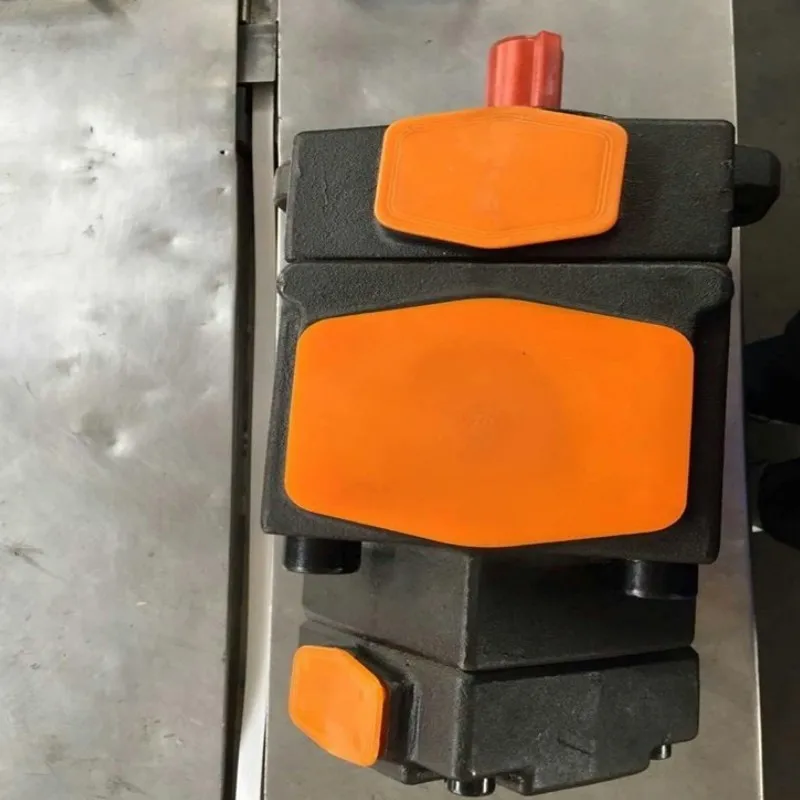
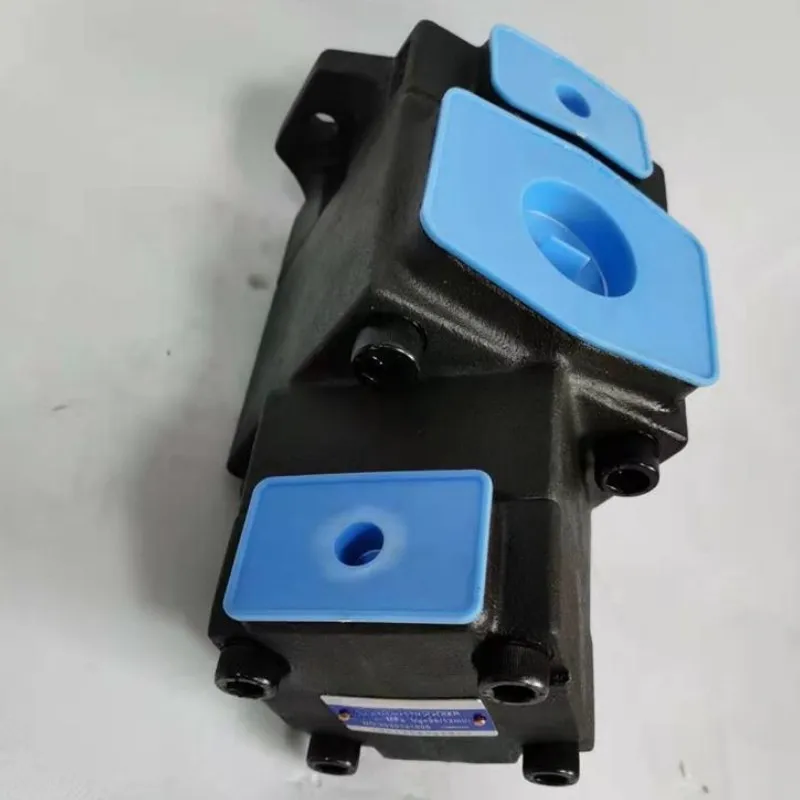
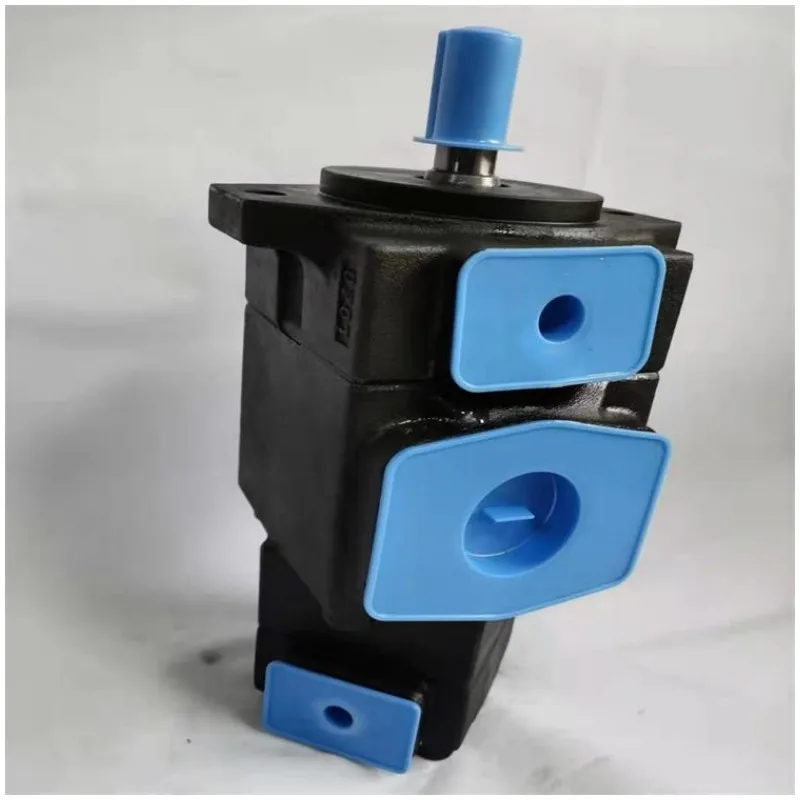
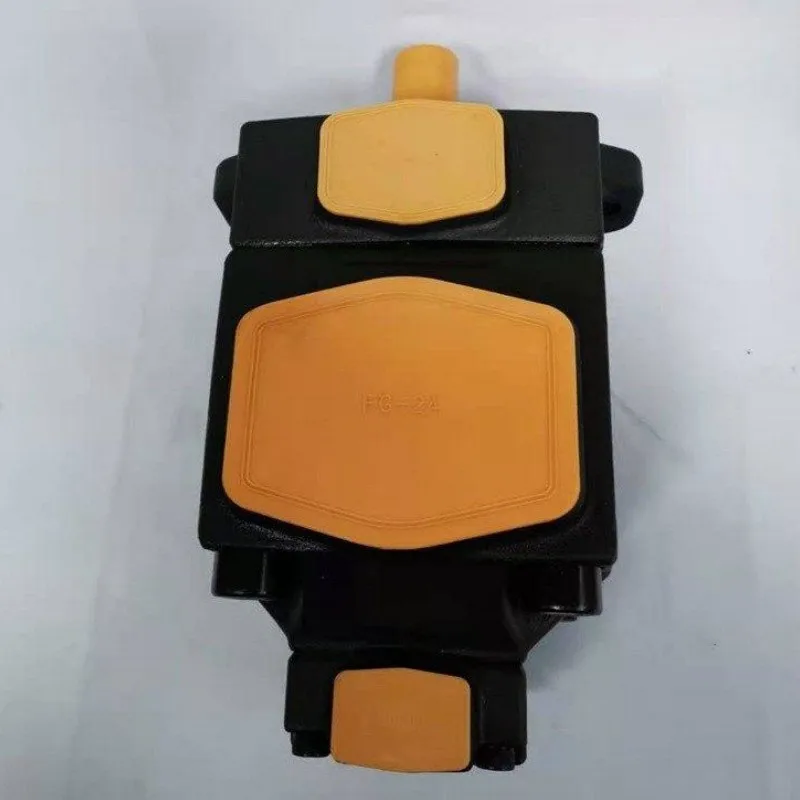
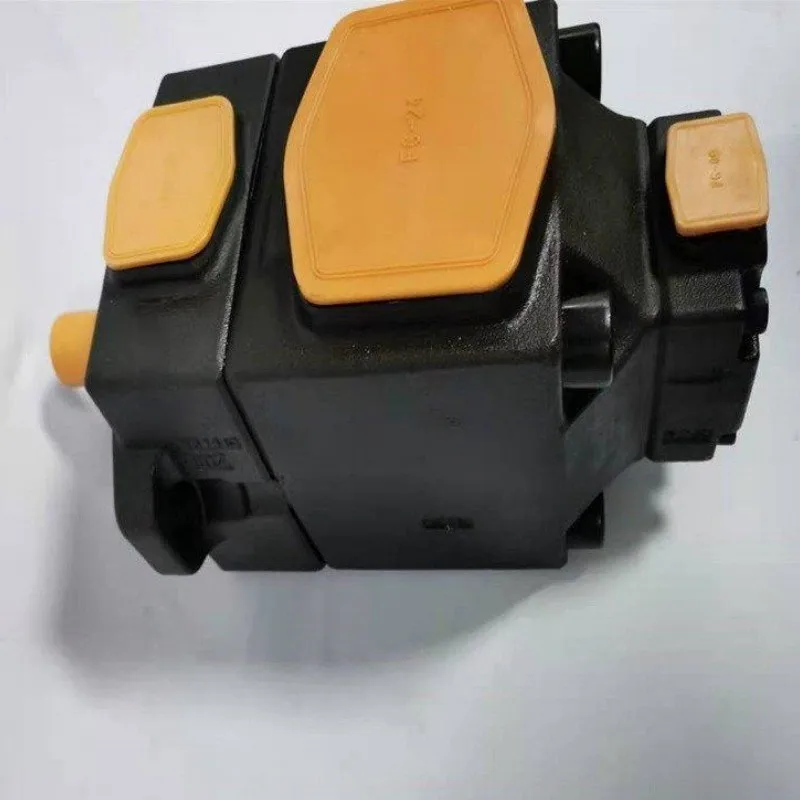
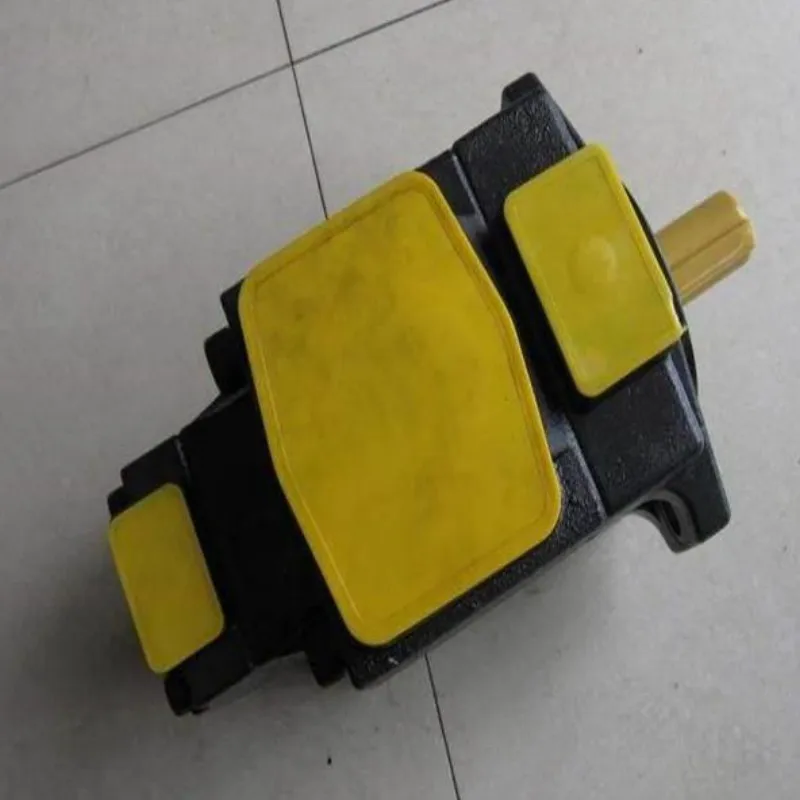
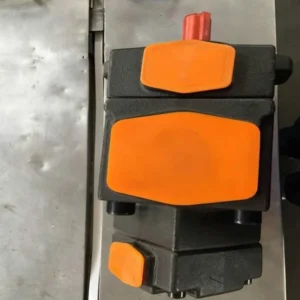
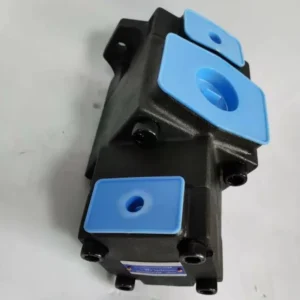
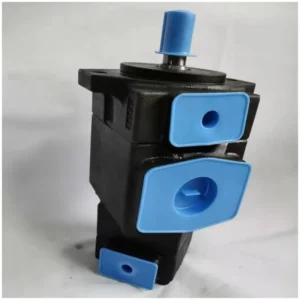
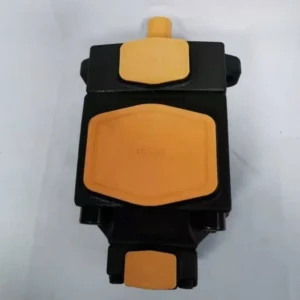
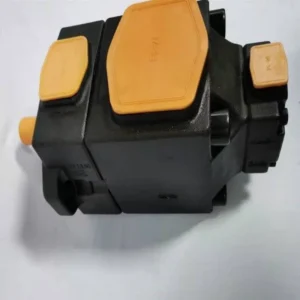
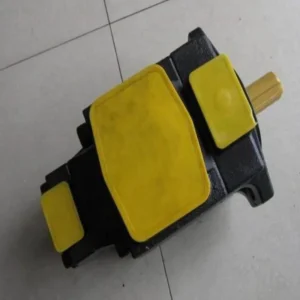
The PV2R Series of high-pressure, low-noise fixed displacement hydraulic vane pumps manufactured by Chengyuan Hydraulic are premium fluid power solutions engineered to fully Cross-Reference the time-tested technical benchmarks of Yuken. Widely celebrated across international industrial asset industries for its whisper-quiet acoustics, superb volumetric efficiency, and exceptional particulate tolerance, this platform serves as the primary power station for plastic injection molders, die-casting machinery, and heavy metal-forming presses. Covering the high-demand single and double pump configurations supplied—PV2R34A-116-138-L-REAA-10 (heavy double-stage unit), PV2R3-76-L-RAA-31, PV2R3-94-L-RAA-31 (PV2R3 single-stage variants), and the PV2R13 family—Chengyuan applies sub-micron finishing to the dual-plate side profiles and rotor blade slots to guarantee 100% original-place interchangeable plug-and-play compatibility for SAE mounting flanges, cylindrical drive shafts, and threaded port lines. Every single vane pump undergoes 100% simulated continuous load verification, dynamic balance certification, and strict acoustic dBA decibel auditing prior to shipping, ensuring steady flow performance and reduced fluid resonance.
Technical Specifications :
Brand Cross-Reference: Yuken PV2R1, PV2R3, PV2R34A Series Equivalent
Target Configurations Covered: PV2R34A-116-138-L-REAA-10, PV2R3-76-L-RAA-31, PV2R3-94-L-RAA-31, PV2R13
Geometric Volumetric Displacements:
PV2R3-76 Variant: 76.1 $cm^3/rev$
PV2R3-94 Variant: 93.7 $cm^3/rev$
PV2R34A-116-138 Frame: Front Stage 116 $cm^3/rev$ / Rear Stage 138 $cm^3/rev$
Maximum Rated Working Pressure:
PV2R3 Frames (76 & 94 Sizes): Sustained continuous rating up to 172 bar (17.2 MPa / 2500 psi)
PV2R4A Component (138 Size): Sustained continuous rating up to 172 bar (17.2 MPa / 2500 psi)
Rotational Operational Limits:
Minimum Shifting Velocity: 600 rpm
Maximum Rated Input Speed: 1800 rpm
Shaft Rotation & Port Geometry Indexing (L-REAA / L-RAA):
L Configuration: Counter-Clockwise (CCW) rotation viewable from shaft end
RAA / REAA Matrix: Standardized intake/discharge multi-position flange layouts (A = Standard upward/rightward configuration options)
Mounting Pattern Standards: Standard SAE 2-bolt flanged housing profiles (e.g., PV2R3 layout)
Drive Output Shaft Profile: Precision-ground standard cylindrical straight keyed shaft
Fluid Media & ISO Filtration: Standard mineral-base hydraulic fluids; fluid conditioning to $\le 25$ microns absolute
Key Technical Advantages:
Proprietary Stator Cam Curve for Low-Acoustic Operation: The heart of the PV2R series features an optimized double-eccentric stator internal track profile. This ensures that the moving blades undergo extremely linear acceleration changes as they pass through transition zones, eliminating rigid mechanical knocking at the boundary limits. Mated with a fully hydrostatically balanced rotor assembly, it compresses fluid ripple and humming, registering noise outputs 10 to 15 dB(A) lower than comparative piston architectures.
Flexible Side Plates with Dynamic Clearance Compensation: The internal side wear-plates are cast from a high-yield, thermally conductive copper alloy layer combined with integrated hydraulic balance chambers. As system working pressure scales, fluid forces back-load the flexible plates to automatically seal against the rotor face with micron accuracy. This layout offsets mechanical face wear over years of duty, securing a steady 95% volumetric efficiency index.
Heavy-Duty Cast Iron Housing with Drop-In Cartridge Design: The pump casing is poured from premium close-grained ductile cast iron to resist pressure-induced breathing or structural expansion. It utilizes a modular “Cartridge Kit Design.” Should internal scuffing occur due to fluid oxidation or abrasive ingression, industrial users can replace the entire slide-in cartridge core without disturbing the hydraulic plumbing, cutting downtime costs.
Dual-Effect Compound Blades & Hardened Alloy Stator Interface: The sliding blades are milled from premium tungsten-molybdenum high-speed tool steel, while the stator track undergoes deep gas-carburization and computer-controlled grinding to exceed HRC 60. Dual-channel fluid routing pathways under the blade roots balance blade tip extension force against the stator ring. This suppresses blade skipping under zero-load idling and prevents face-scoring under full continuous 172 bar loading.
Application Areas:
Plastics & Rubber Processing Infrastructure: High-volume primary fluid supply for plastic injection molding machines, industrial blow-molding equipment, and rubber curing presses.
Heavy Die-Casting & Metal-Forming Systems: High-flow clamping and core-pulling actuators for aluminum die-casting rigs, four-column hydraulic presses, and heavy plate shears.
Precision Automated Machine Tools: Centralized hydraulic power packs for CNC machining gantries, heavy slitting lines, and automated fixture fixtures.
Expert Maintenance Tips:
Mandatorily Eliminate Air Ingestion at Initial Start to Protect Stator Tracks: Vane pumps are highly vulnerable to initial dry running. Upon initial installation or following extensive fluid overhauls, you must pre-fill the pump body with clean hydraulic oil through the top pressure outlet port and jog the shaft manually. During initial commissioning, intermittently jog the drive motor 3 to 5 times to evacuate air bubbles from the suction line. Starting the pump dry will cause the unlubricated blades to hammer against the dry stator cam track, causing immediate track scoring and surface delamination.
Enforce Strict Adherence to the Minimum Input Speed Bound ($\ge 600$ RPM): Vane pumps depend directly on centrifugal force generated by the turning rotor to extend the blades against the inner stator contour to form independent fluid sealing chambers. If the PV2R pump is coupled to an adjustable variable-frequency drive (VFD), ensure the operating profile never drops below 600 rpm. Low input speeds cause blade chattering, which disrupts pressure delivery and leads to heavy mechanical chattering.
Periodically Test Suction Plumbing Intactness and Strainer Vacuum Restrictions: Due to the high vacuum draw typical of vane configurations, even microscopic looseness in suction line fittings can draw atmospheric air into the fluid gallery, triggering violent cavitation, foaming, and metallic rattle. Inspect all suction flange O-rings at scheduled intervals and install an intake filter equipped with a vacuum indicator. Clean or change the filter element immediately upon indication to avoid fluid starvation failure.